Industry Insights · September 12, 2026 · LeMaster Electric
When a Photo Says Everything: Why Electrical Shortcuts Create Real Risk
Temporary power does not mean temporary risk. An unsafe panel connection illustrates why overcurrent protection, grounding, and code-compliant electrical work matter.
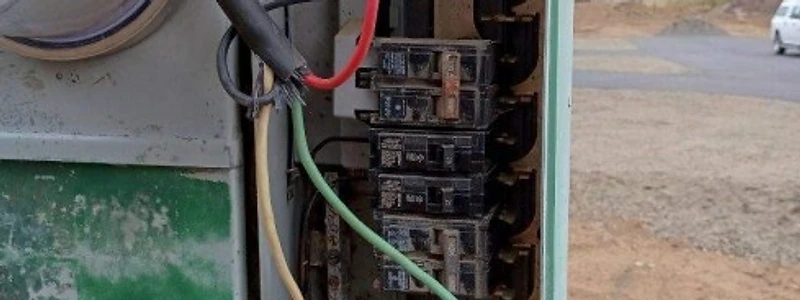
Recently, this safety image has been circulating within the electrical industry showed alligator clips connected directly to the bus of a 100-amp electrical panel. There was no overcurrent protection, no equipment grounding conductor, and no safeguarding of energized components. This type of setup creates an immediate risk of shock, arc flash, fire, and equipment damage.
This isn’t a gray area or a matter of preference. It’s exactly why electrical work is regulated.
Temporary Power Is Not “Temporary Risk”
A common misconception in construction and facilities work is that temporary power allows for relaxed standards. It does not.
Whether power is temporary or permanent, electrical systems must still:
- Be protected by properly rated overcurrent devices
- Include effective grounding and bonding
- Be installed to minimize shock and arc-flash hazards
- Comply with adopted electrical codes and safety regulations
Temporary conditions do not reduce risk—they often increase it.
Why This Is a Code Issue (Not Just a Safety Concern)
Electrical shortcuts like this violate both Washington State law and the adopted electrical code.
Washington State Requirements
- RCW 19.28 requires electrical work to be performed by properly licensed contractors and certified electricians and mandates compliance with adopted electrical codes.
- RCW 19.28.361 places responsibility on licensed electrical contractors to ensure work is free of electrical code violations.
Adopted Electrical Code
- NFPA 70 (National Electrical Code) as adopted by the Authority Having Jurisdiction (AHJ).
Applicable NEC Principles
- Article 240 – Conductors must be protected by appropriately rated overcurrent devices.
- Article 250 – Electrical systems must be grounded and bonded to reduce shock and fire hazards.
- Article 110 – Electrical equipment must be installed in a safe, workmanlike manner and used only as intended by its listing.
Bottom line: Temporary installations are not exempt. Missing overcurrent protection, grounding, or approved connection methods is a code violation regardless of duration.
What Installations Like This Tell Us
When unsafe connections show up in the field, they often point to broader issues:
- Work performed outside the scope of a license
- Lack of understanding of electrical hazard exposure
- Pressure to energize equipment quickly without proper planning
- No clear accountability for long-term consequences
In commercial and industrial environments, these shortcuts expose building owners, general contractors, and electricians to real liability—not just failed inspections.
The LeMaster Electric Standard
At LeMaster Electric, safety and compliance aren’t optional or situational. Every installation—temporary or permanent—is approached with the same standard we would expect in our own facilities.
That means:
- Code-compliant installations, every time
- Proper separation between temporary construction power and permanent systems
- Protection of people, property, and equipment
- Work performed by licensed professionals who understand risk, not just wiring
Electrical systems are unforgiving. They either operate safely—or they fail.
The Takeaway
If a setup looks questionable in a photo, it’s almost always worse in person.
Electrical safety isn’t about speed or convenience. It’s about doing the work correctly, protecting lives, and standing behind the installation long after the lights turn on.